
The power of a silent plea
The story of a man who had the courage to stand up to a tyrant

Dileep Premachandran
04-Dec-2010
Vision Sports Publishing
Henry Olonga still plays the odd game of cricket, but it's through his music that he now propagates his message best. "For one day they will rise again," he sings in "Rise Again", a song co-written with Bruce Izzett. "Above the emptiness and shame / With dignity restored once more / As your oppression is here no more."
His life changed with a press release given to Geoffrey Dean, an English journalist, on February 10, 2003. The statement, drafted along with Andy Flower, the greatest player Zimbabwe has produced, included the following extracts: "It is impossible to ignore what is happening in Zimbabwe. Although we are just professional cricketers, we do have a conscience and feelings. We believe that if we remain silent that will be taken as a sign that either we do not care or we condone what is happening in Zimbabwe. We believe that it is important to stand up for what is right...
"In all the circumstances we have decided that we will each wear a black armband for the duration of the World Cup. In doing so we are mourning the death of democracy in our beloved Zimbabwe. In doing so we are making a silent plea to those responsible to stop the abuse of human rights in Zimbabwe. In doing so we pray that our small action may help to restore sanity and dignity to our Nation."
Had Flower protested on his own, Robert Mugabe and his green-shirted thugs could have brushed it off as racism. But Olonga was a different story, the first black cricketer to play for the country. As the world's photographers zoomed in on the black armbands made from insulation tape and the press release found its way to news agencies, it became clear that the son of a Kenyan father and Zimbabwean mother had burnt his bridges.
The death threats started soon after and but for the rain in Harare that knocked Pakistan out and gave Zimbabwe a place in the Super Sixes, Olonga might never have been able to leave the country. As it was, he flew to South Africa with the rest of the team and never returned, then making his way to England and exhibition cricket with Lashings while also exploring his interest in music.
He tells his story with candour and no little wisdom. Unlike many player autobiographies filled with inanities and self-delusion, this is a wonderfully candid account of a career that promised much but delivered only a handful of highlights reels. Olonga's self-deprecation doesn't ring hollow, and his assessment of many of his peers is clear-eyed without being tinged with malice.
Right from the traumas of childhood - his parents separated when he was four, after his mother found out that his father had neglected to mention a first marriage that included a dozen children - to the mean-spiritedness of team-mates and officials, Olonga documents facts without being judgemental. Several extracts in the book deal with his faith in God, and how it shaped both his life and career. But the most riveting passages concern the other omnipotent figure in Zimbabwean lives.
Olonga, like most others, started out believing that Mugabe was a revolutionary hero. It was only with exposure to the world at large and tools like the internet that he began to discover otherwise. By then he was already a gifted sportsman, having taken the boarding-school route to excellence. Eschewing the possibility of careers in athletics or rugby, Olonga made his Test debut in January 1995, dismissing Saeed Anwar with his third ball. Called for throwing in the same match, he had to go and remodel his action, and later cope with a variety of injuries.
In his own words, Olonga was no superstar. He was, however, a genuinely quick bowler who had his moments when everything came together. One of those came against India at Grace Road in the World Cup of 1999, when he knocked over Robin Singh, Javagal Srinath and Venkatesh Prasad to seal a famous victory. By then, though, the team was already being divided into cliques, with the uncertainty back home ensuring that the split happened along racial lines.
While critical of Mugabe, Olonga doesn't spare some of his own team-mates, whose attitudes have helped keep the tyrant in power. He narrates an incident where he took exception to a young black team-mate being told that he was "like charcoal". "From that day on my life in the dressing room was never the same, as clear venom emanated from some of them," he writes.
His relationship with the father who even built a house for him, and the falling-out with Victor, his older brother, who played rugby for the country, make for poignant reading, but if you want to sum up the book, you must go back to the Edmund Burke words that start the first chapter: "All that is necessary for the triumph of evil is that good men do nothing."
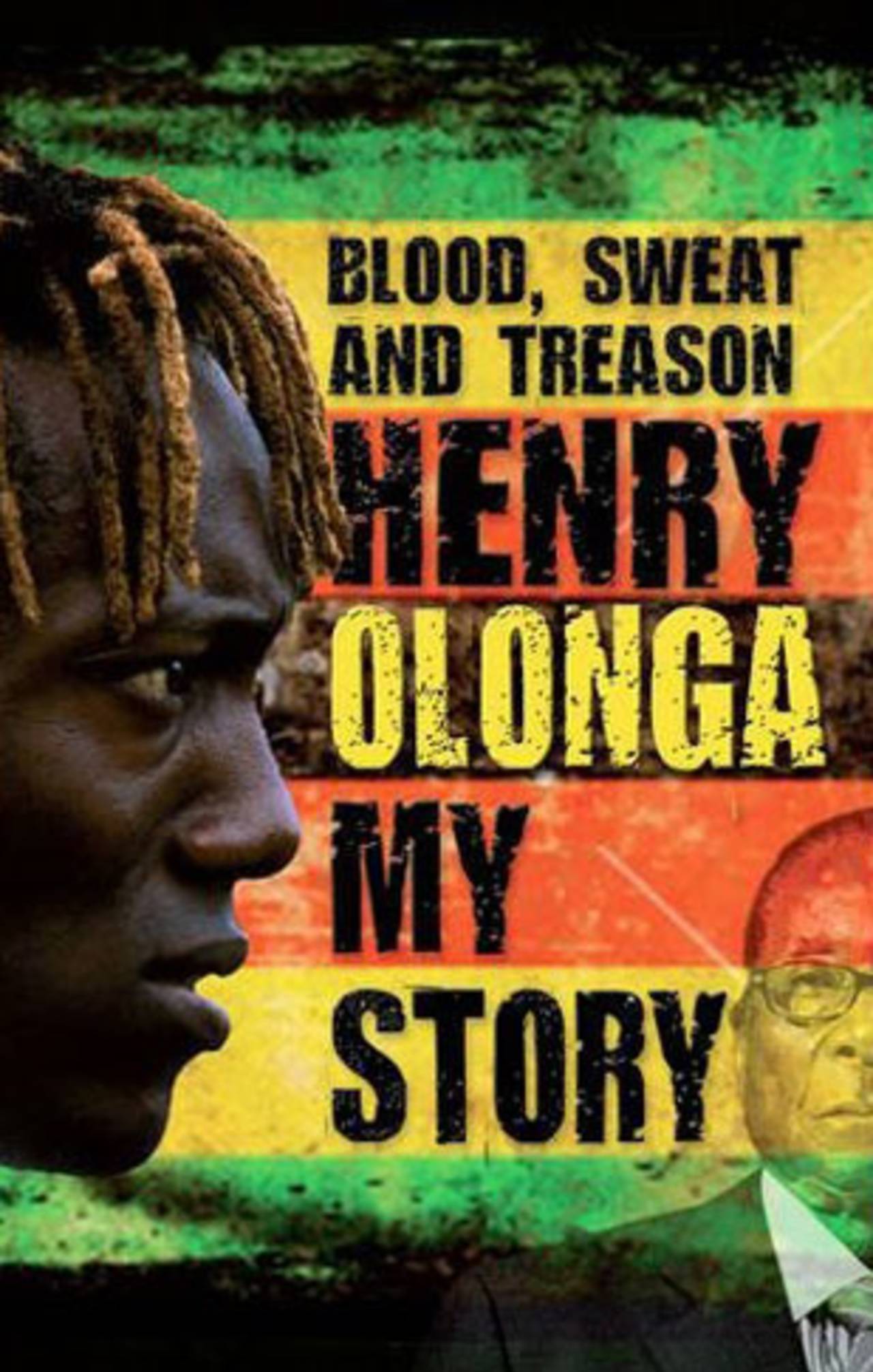
Blood, Sweat and Treason: Henry Olonga - My Story
by Henry Olonga
Vision Sports Publishing
£14.49

by Henry Olonga
Vision Sports Publishing
£14.49
Dileep Premachandran is an associate editor at Cricinfo